

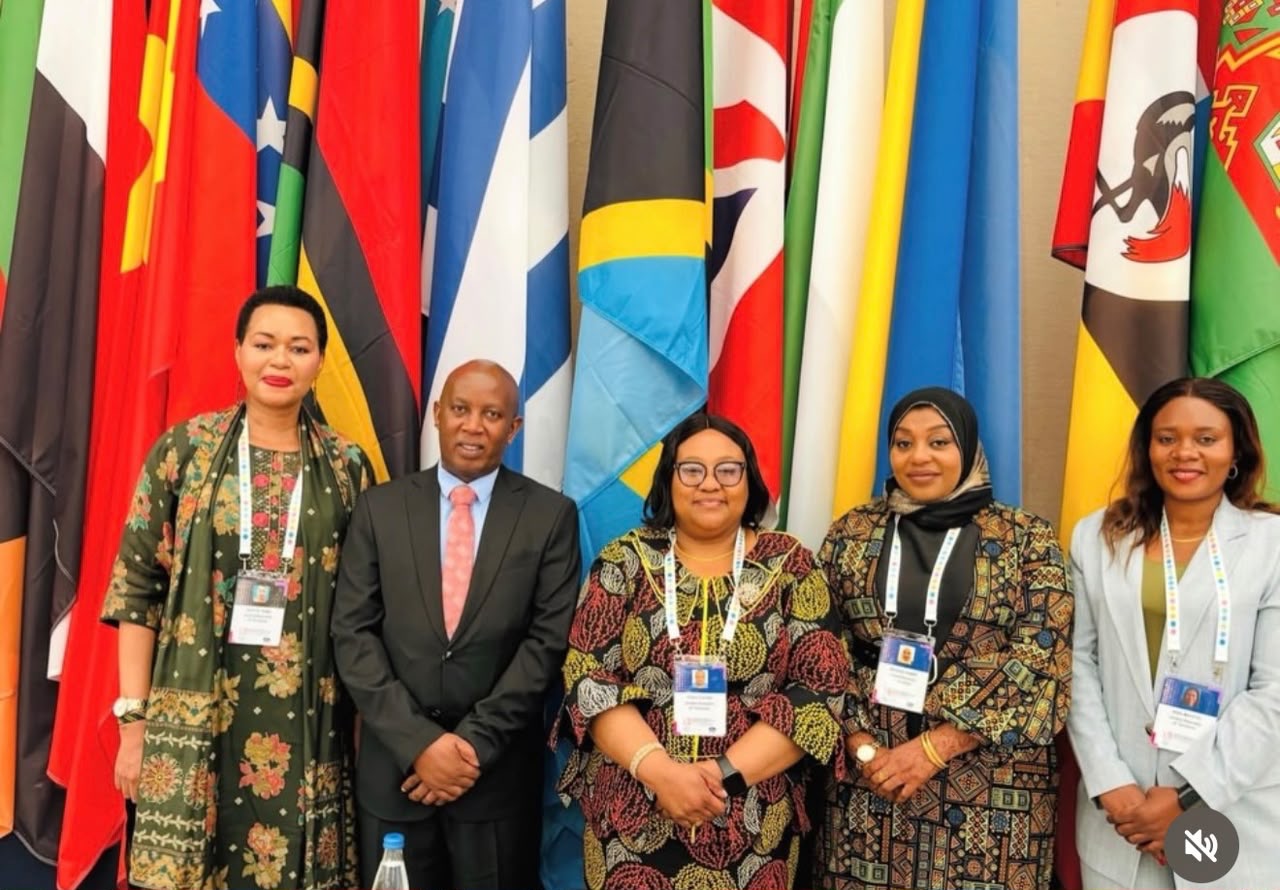
ACCRA — Ghana’s decision to reduce fuel supplies to Burkina Faso and Mali is adding an economic and energy dimension to regional-security discussions ahead of the 153rd Inter-Parliamentary Union (IPU) Assembly in Arusha, Tanzania.

Ghana’s state-owned fuel distributor, BOST Energies, has reduced fuel exports to the two neighbouring countries as pressure on domestic supply increases amid tighter global fuel markets.
Burkina Faso received about 40,000 metric tonnes of the 80,000 tonnes it requested for July and August, while Mali also received substantially less fuel than requested during the period.

The development carries wider implications for West Africa because Burkina Faso and Mali are landlocked economies that depend heavily on access to petroleum products through coastal neighbours.
The fuel reductions come as international energy markets face supply pressures linked to conflicts in Ukraine and the Middle East, while stronger domestic demand in Ghana has also placed pressure on available supplies.
The situation places Ghana News and regional energy security at the centre of a broader conversation about cross-border trade, economic resilience and cooperation in West Africa.


The 153rd IPU Assembly is scheduled for October 5–9, 2026, in Arusha, Tanzania, bringing together lawmakers from around the world. Discussions are expected to cover governance, economic opportunity and international security, including maritime security in times of conflict.
For West African lawmakers, Ghana’s fuel-supply decision highlights the economic consequences that can accompany regional-security pressures, particularly for landlocked countries that rely on coastal neighbours for access to petroleum products.


The development also comes at a time when regional economic issues are increasingly shaping Ghana’s public policy debate. Readers can follow related developments through Ghana News Live and GhanaMedia.net’s Top Stories.
As Ghana prioritises its domestic fuel requirements while continuing to serve regional markets, the situation puts energy security, cross-border trade and economic resilience among the practical issues shaping West Africa’s broader regional environment.
These developments will also be relevant to ongoing discussions around Ghana’s economic and regulatory environment, with further analysis available through the Policy & Law Hub.
MORE DEVELOPMENTS FROM THE IPU ASSEMBLY AND GHANA’S REGIONAL ENERGY POSITION WILL BE FOLLOWED.


