

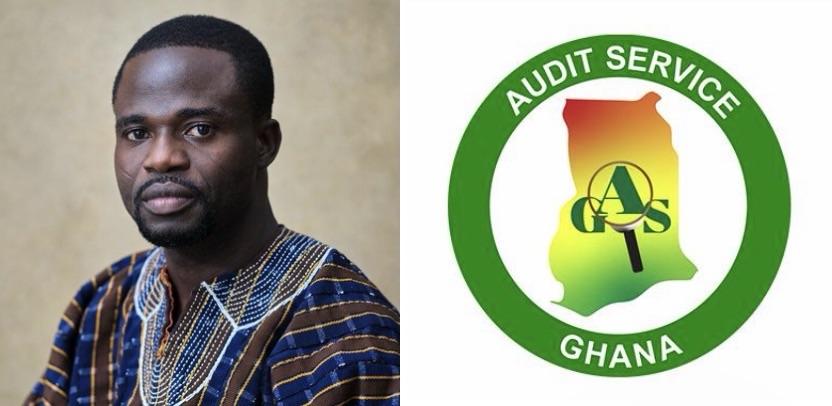
ACCRA — Questions about the Auditor-General’s special audit of COVID-19 expenditure have sparked a broader debate over accountability, journalistic fairness and the extent to which scrutiny should extend beyond Zoomlion Ghana Limited.
In an article titled “Auditing the Auditor-General: How Special Audit Understated a COVID-19 Expenditure,” journalist Manasseh Azure Awuni raises questions about an alleged discrepancy between the amount recorded by the Auditor-General and expenditure figures contained in documents from the Ministries of Education, Local Government and Transport.

The central issue is significant: how did the Auditor-General arrive at the reported figure of GH¢96.3 million in fumigation expenditure when documents cited in the investigation allegedly indicate expenditure of at least GH¢780 million?
That discrepancy raises several questions. What methodology was used to determine the COVID-19 expenditure figure? Which ministries supplied the information? How were the figures reviewed and reconciled? And why were certain expenditures allegedly not reflected in the final fumigation figure?
Those questions go directly to the work of the Ghana Audit Service and deserve detailed examination. Readers following the wider story can also keep up with Ghana News and developments through Ghana News Live.
Who Should Answer for the Audit?
A central concern raised by the commentary is whether scrutiny of the alleged audit discrepancy has become disproportionately focused on Zoomlion.
The Auditor-General prepared the special audit report, while government ministries and public institutions were responsible for initiating procurement processes, selecting contractors, supervising work, certifying performance and authorising payments.
Zoomlion’s involvement therefore makes the company relevant to the investigation, particularly because the article reports that approximately GH¢775 million of the GH¢780 million in fumigation expenditure identified went to the company.
However, examining the contractor alone would not answer every question surrounding public expenditure. Accountability should also examine the decisions made by ministries, procurement authorities, public officials and other institutions involved in the contracting and payment process.
Zoomlion and the Question of Proportionality
There is a legitimate basis for investigating any company that receives substantial public funds. Questions about whether contracted services were delivered, whether prices complied with procurement requirements, whether work was properly certified and whether the state received value for money are matters that can be examined through evidence.
At the same time, the commentary questions whether the current investigation is principally about the Auditor-General’s COVID-19 audit or whether it has become another occasion to revisit previous controversies involving Zoomlion.
The article references earlier issues involving the company, including previous government contracts, GYEEDA, World Bank sanctions, earlier fumigation arrangements and a 2025 ministerial report. The writer argues that bringing multiple historical controversies into the current discussion raises questions about proportionality and the focus of the investigation.
For readers seeking broader information about Ghana’s public institutions, governance and regulatory issues, GhanaMedia.net’s Policy & Law Hub provides a dedicated platform for related developments.
Journalistic Fairness and Consistency
The commentary also raises questions about journalistic consistency, particularly regarding how journalists approach people and institutions with whom they have personal or professional relationships.
The writer refers to Manasseh Azure Awuni’s decision not to comment on Dr. Mensah Otabil’s involvement in the Capital Bank saga, citing their relationship. The comparison is used to question whether similar considerations of personal history, relationships or potential conflicts should be disclosed when reporting extensively on another organisation.
Rather than making unsupported allegations about possible interests behind criticism of Zoomlion, the writer poses direct questions about the persistence of the journalist’s focus on the company.
What explains the intensity of the scrutiny over more than a decade? Are there relationships, institutional considerations or other relevant circumstances that readers should know about?
Accountability Should Extend in Every Direction
Zoomlion should not be exempt from scrutiny simply because it is a Ghanaian company, employs people or operates in the sanitation sector. Companies handling public funds must be accountable for the services they provide and the value delivered to the state.
But accountability can also extend beyond the contractor. The Auditor-General must answer questions about the audit methodology and findings. Ministries must account for contracts they initiated and awarded. Procurement authorities must account for approvals and procedures. Public officials must account for supervision, certification and payment.
Journalists are also subject to legitimate questions about consistency, proportionality and fairness in their reporting. That does not diminish the importance of investigating alleged misuse or discrepancies involving public funds; rather, it underscores the importance of examining all relevant actors and evidence.
As Ghana continues to debate public-sector accountability and the management of public resources, readers can follow the latest Top Stories for developments across the country.
The question remains: Are we auditing the Auditor-General, investigating COVID-19 expenditure, or simply putting Zoomlion on trial again?


