


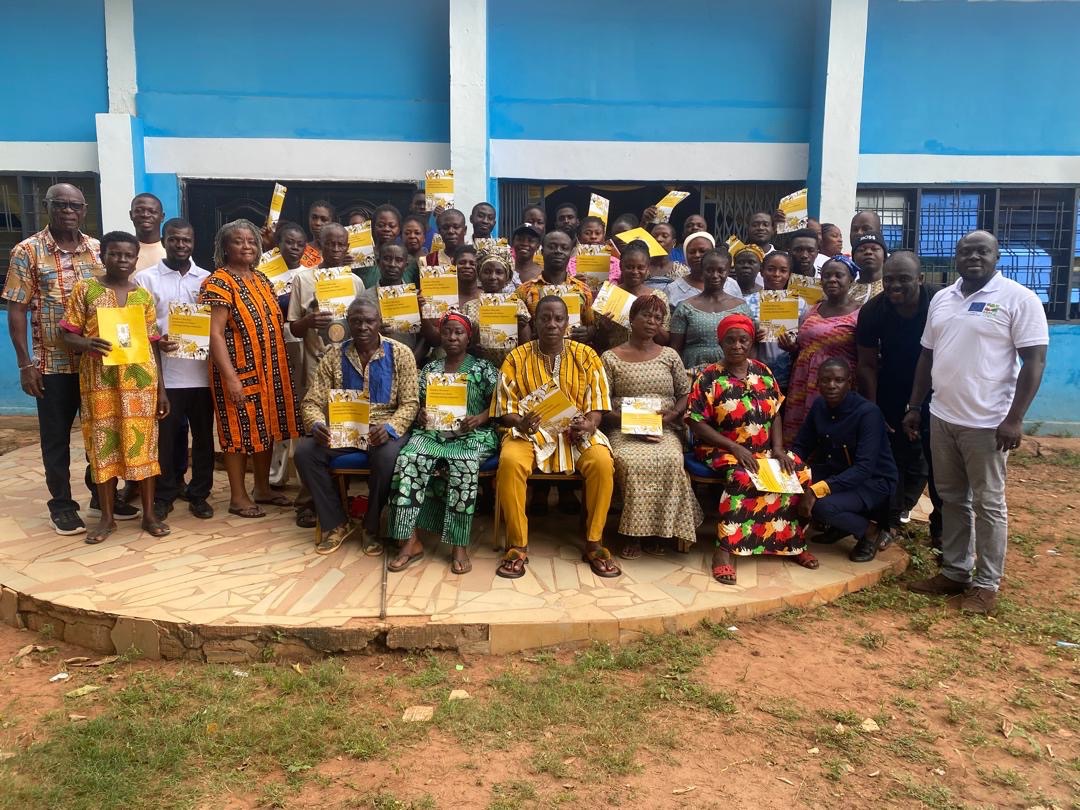
Residents of Nkoranza North and South have called for greater community participation, transparency and fair benefits as Ghana advances its transition towards cleaner energy.
Residents of communities in Nkoranza North and South in the Bono East Region have called for a fairer and more inclusive approach to Ghana’s energy transition, stressing that the move towards cleaner energy must not come at the expense of local livelihoods, land and water resources.
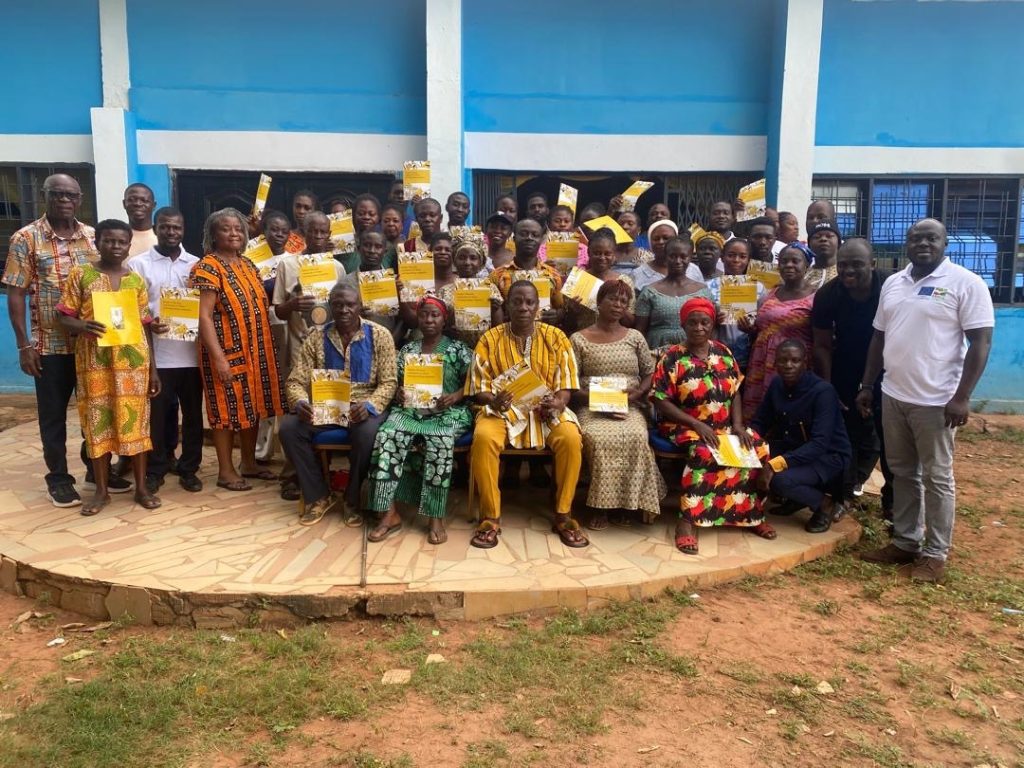
The call followed a two-day peer-learning forum which, according to Wacam, was held on September 7 and 8, 2026, in Busunya and Donkro Nkwanta.
The forum was organised by Wacam with support from the Ghana Energy Transition Consortium (GETC).
Wacam has previously worked with communities in the Nkoranza area on environmental rights, climate change, mining and oil-and-gas concerns, including the application of the Free, Prior and Informed Consent (FPIC) principle.
Communities Urged to Demand a Voice
According to the organisers, community volunteers led discussions on what a just energy transition should mean for communities, with support from facilitators including media practitioner and community rights activist Dominic Adjei Baffour and Centre for Environmental Impact Analysis Executive Director Dr Samuel Obiri.
Wacam’s Executive Director Daniel Owusu-Koranteng, Associate Executive Director Hannah Owusu-Koranteng, and Technical Director and lawyer Kwaku Afari were also reported to have attended.
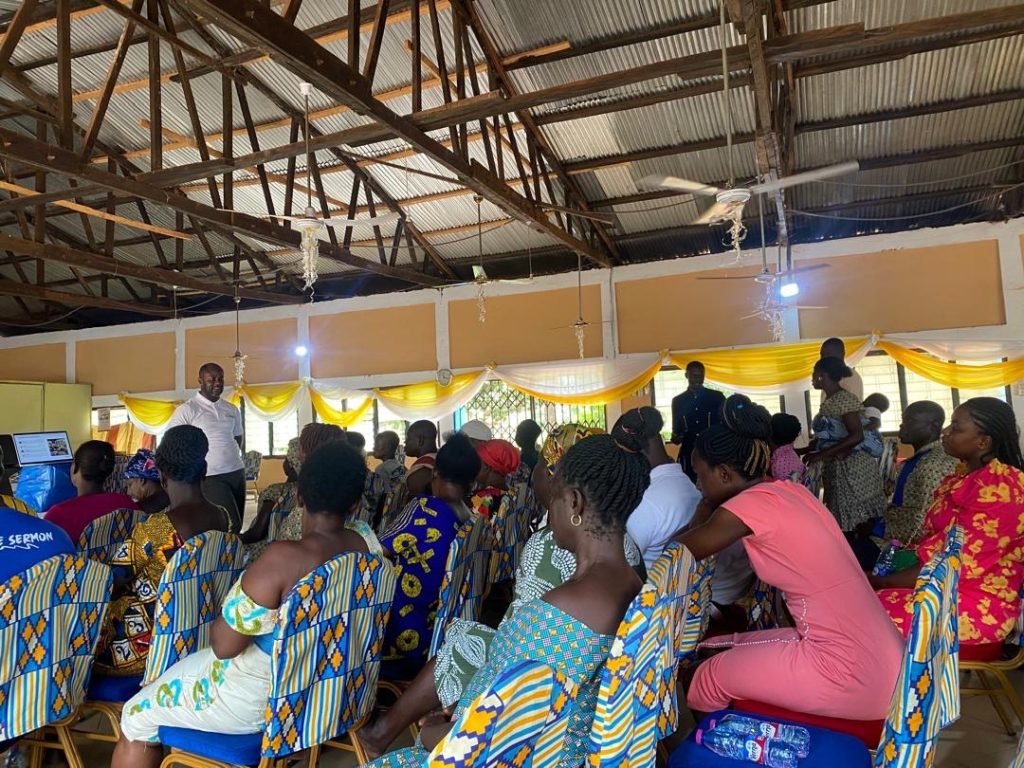
Participants were told that Ghana’s transition towards cleaner energy is important for reducing pollution and emissions, but that renewable-energy projects must also respect community rights.
The discussion highlighted potential concerns surrounding land acquisition, water resources, livelihoods, compensation and employment.
The participants were also introduced to the mineral requirements of several clean-energy technologies, including solar panels, batteries and electric vehicles.
Minerals such as lithium, copper, bauxite and manganese can play important roles in clean-energy supply chains, raising questions about whether the extraction of those resources will protect communities and ecosystems.
What Makes an Energy Transition “Just”?
The forum distinguished between what organisers described as an unjust transition and a just transition.
An unjust transition, participants were told, could involve land being taken without meaningful consent, inadequate information, poor compensation, environmental pollution and economic opportunities failing to reach affected communities.
A just transition, by contrast, should involve meaningful participation, transparent information, protection of land and water, fair compensation and benefits, and opportunities for women and young people to participate in decision-making.
FPIC Placed at the Centre
A major focus of the forum was reportedly the principle of Free, Prior and Informed Consent (FPIC).
Participants were encouraged to understand that meaningful consent should be free from threats, force or bribery, obtained before a project begins and based on information that communities can understand.
They were also encouraged to ask questions about how proposed projects could affect farmland, water sources, women, farmers and other vulnerable groups.
- What land and water will be affected?
- What risks could women and farmers face?
- What compensation and long-term benefits are guaranteed?
- Who will prevent pollution and repair environmental damage?
- Can communities obtain independent legal and technical advice?
- What happens if a community does not agree to a project?
Women, Youth and Vulnerable Groups
The organisers also stressed that community participation should go beyond traditional leaders or a small group of representatives.
Women and women land users, youth, farmers, fishers, pastoralists, persons with disabilities, traditional leaders and people who could face resettlement should all have opportunities to participate.
The forum’s message was that one meeting with a few community leaders should not automatically be treated as community-wide consent.
Participants were encouraged to document their farms, water resources, agreements, promises and potential environmental harm, while seeking independent advice where necessary.
Ghana’s Energy Transition
The discussion comes as Ghana continues developing its energy-transition agenda.
The Energy Commission has said Ghana’s pathway includes greater energy efficiency, increased renewable-energy generation, electric-vehicle development and the gradual reduction of dependence on thermal generation, while natural gas remains part of the country’s transitional energy strategy.
The Ghana Energy Transition Consortium has also identified financing, technical support, collaboration, youth inclusion and job creation as important components of Ghana’s transition.
For communities such as those in Nkoranza, the debate therefore goes beyond simply changing energy sources.
It also raises the question of who controls land and resources, who benefits from new projects and who bears the environmental and social costs.
The forum concluded with a message attributed to the participating communities:
“No energy future without justice. No project on our land without information, participation, protection, fair benefits and consent.”
Participants reportedly committed to sharing the knowledge gained from the forum with others in their communities.
📲 Stay Connected With GhanaMedia.net
Get verified Ghanaian stories, community voices and important national developments as they happen. Follow GhanaMedia.net on X: @GhanaMedia123 .