




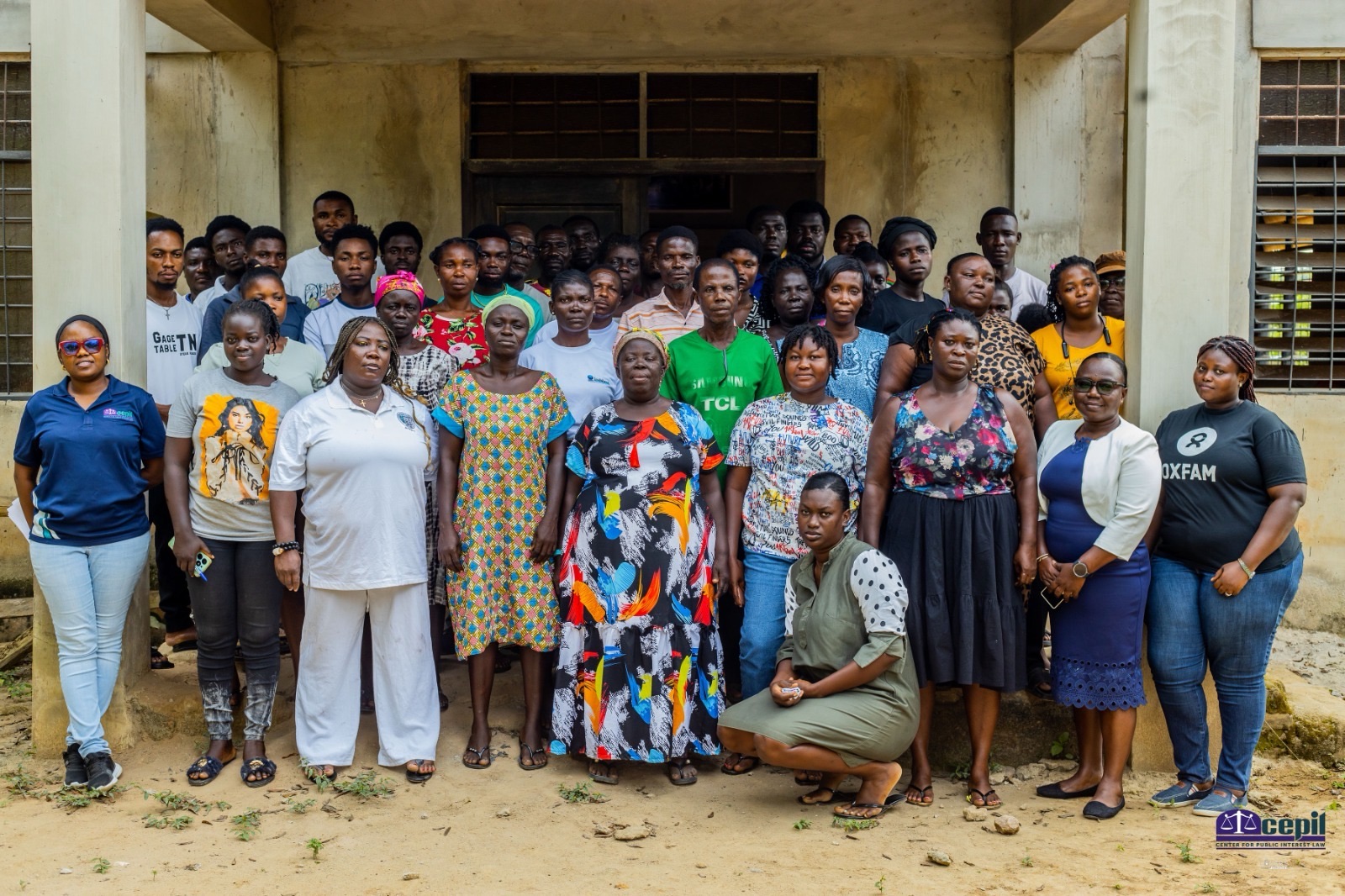
Concerns over information, participation, compensation and community consent resurface as Ghana’s Ewoyaa lithium project advances toward development.
Communities affected by Ghana’s emerging Ewoyaa lithium project are questioning whether earlier consultations surrounding the project adequately met the principles of Free, Prior and Informed Consent (FPIC).
The concerns were raised, according to organisers, during a town-hall dialogue on FPIC organised by the Centre for Public Interest Law (CEPIL) under the Feminist Mineral Initiative, with funding from Oxfam in Ghana.

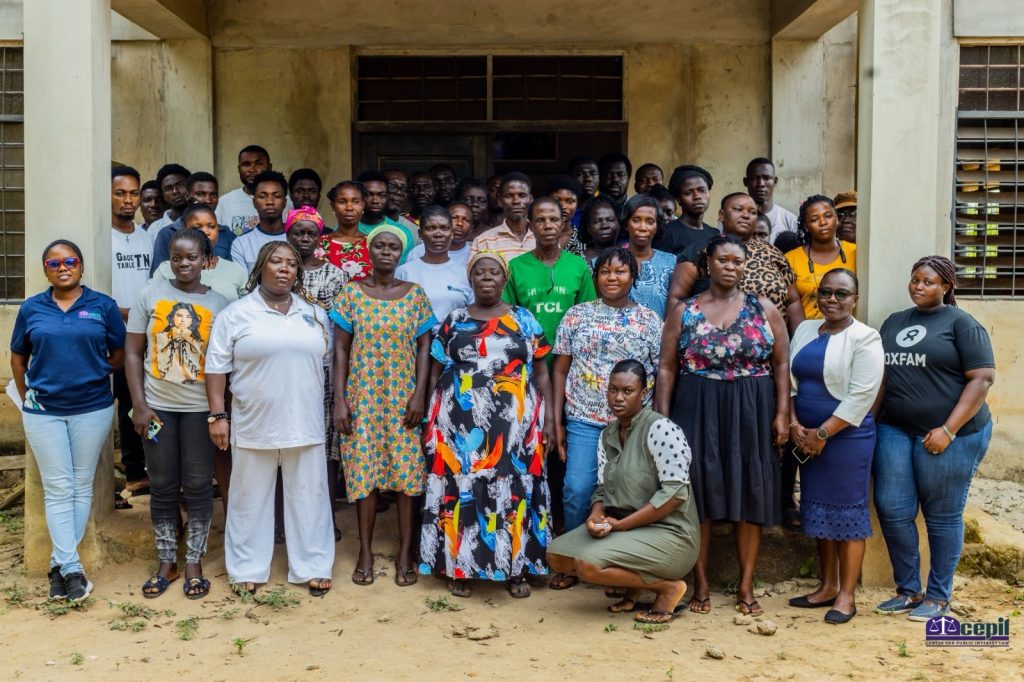
Participants reportedly asked how FPIC differs from consultations already conducted around the Ewoyaa project and whether previous engagements gave affected communities sufficient information and meaningful opportunity to influence decisions affecting their land and livelihoods.
What Does FPIC Mean?
FPIC is generally understood as a process requiring communities to receive relevant information, participate meaningfully in decisions and have their consent sought without coercion or manipulation.
The “free” element means participation should not be obtained through threats, intimidation, manipulation or improper pressure.
“Prior” means consent should be sought before relevant decisions or activities are undertaken.
“Informed” means communities should receive adequate and understandable information about a project’s potential risks, impacts, benefits and alternatives.
The consent component concerns whether communities have meaningful decision-making power rather than merely being informed after important decisions have already been made.
Oxfam has long advocated for FPIC in extractive-industry projects, while regional guidance has emphasised community consent and continuing consultation throughout the mining cycle.
Ewoyaa Project Enters a Critical Phase
The Ewoyaa Lithium Project is located in Ghana’s Central Region around the Ewoyaa-Saltpond area.
The project involves communities including Ewoyaa, Krofu, Abonko, Anokyi, Krampakrom, Afrangua and Ansaadze.
Wacam’s recent work in these seven communities found that many women still had limited information about land acquisition, compensation, resettlement, environmental impacts and health concerns.
The project reached an important regulatory milestone in March 2026 when Parliament approved the mining lease agreement between the government and Barari DV Ghana Limited, covering 42.63 square kilometres.
The agreement provides for a 15-year mining lease and includes a community development fund financed from company revenue.
The approval has moved the project closer to development, making questions around compensation, resettlement, community participation and environmental safeguards increasingly important.
Previous Concerns Over Community Rights
The latest questions come against a backdrop of documented concerns among affected communities.
A five-year study by Friends of the Nation, reported by the Ghana News Agency in July 2026, found alleged violations of farmers’ rights during the exploration period, including claims involving inadequate compensation and farms being entered without adequate prior notice.
The report also highlighted the very low representation of women on some community negotiation committees.
Atlantic Lithium, through an official response reported by GNA, disputed the allegation that it had infringed stakeholders’ rights and said landowners whose farms were entered during exploration had been notified through traditional authorities.
The existence of community concerns does not by itself establish that the company violated FPIC requirements. It does, however, demonstrate why questions about participation, information and consent remain relevant.
Communities Seek Practical Access to Information
Participants at the reported CEPIL dialogue also sought guidance on how residents can obtain information from the company and government to make informed decisions.
The organisers reportedly identified the need for accessible channels through which residents can request project information, raise concerns and understand decisions affecting their communities.
That issue echoes findings from Wacam’s 2026 engagement with women in the seven project communities, where participants identified gaps in knowledge concerning land acquisition, compensation, resettlement, environmental impacts and grievance mechanisms.
Consent Cannot Be Reduced to a Single Meeting
One of the central questions emerging from the discussion is whether community engagement should be treated as a single consultation exercise or an ongoing process throughout the life of a mining project.
For affected residents, decisions concerning land, resettlement, compensation, environmental protection and livelihoods can have consequences extending far beyond the initial approval of a mining lease.
The challenge is therefore not simply whether consultations occurred, but whether affected communities had sufficient information, adequate representation and meaningful opportunities to influence decisions before those decisions were finalised.
That question becomes especially significant as Ghana seeks to develop its lithium resources while positioning the mineral as part of the country’s participation in the global clean-energy economy.
The Bigger Question for Ewoyaa
Ghana’s Ewoyaa project presents an important test of how the country balances mineral development with community rights.
The project has the potential to generate economic activity, government revenue and local development opportunities. At the same time, affected communities face questions about farmland, compensation, resettlement, environmental protection and long-term livelihoods.
For civil-society organisations and community advocates, the argument is that development should not simply be measured by how quickly mining begins.
It should also be measured by how transparently decisions are made, how communities participate, how affected people are compensated and whether their concerns are genuinely addressed.
The reported CEPIL dialogue therefore adds another layer to an increasingly important national conversation:
Can Ghana develop its lithium resources while ensuring that the communities hosting those resources are properly informed, meaningfully involved and fairly treated?
That question is likely to remain central as Ewoyaa moves toward the next stages of development.
📲 Stay Connected With GhanaMedia.net
Get verified Ghanaian stories, environmental developments and important community voices as they happen. Follow GhanaMedia.net on X: @GhanaMedia123 .